

Walk into any gym and you’ll see people chugging protein shakes like their life depends on it. Scroll through fitness influencers’ posts and there’s always a shaker bottle in frame. The protein shake industry has convinced us we all need supplemental protein to lose weight, build muscle, or basically function as humans.
But do you actually need them for weight loss? Sometimes yes, sometimes no. It depends on what the rest of your diet looks like and whether you’re getting enough protein from food.
Let’s break down when protein shakes help, when they’re unnecessary, and when they might actually work against your goals.
The Case for Protein Shakes
Protein is essential for weight loss, and most people don’t eat enough of it. The standard American diet is heavy on carbs and light on protein, which means you might be constantly hungry while your metabolism slows down from muscle loss.
Protein shakes offer a convenient way to hit your protein targets without cooking chicken breast for the third time that day. They’re portable, quick, and don’t require meal prep. If you’re someone who struggles to get 100+ grams of protein daily from whole foods, a shake can fill that gap.
The benefits are real, too: protein increases satiety more than carbs or fats, which means you feel fuller longer and are less likely to snack between meals. It also has a higher thermic effect – your body burns more calories digesting protein compared to other macronutrients, roughly 20-30% of the calories in protein go toward digestion itself.
Plus, when you’re in a calorie deficit, adequate protein helps preserve muscle mass. You want to lose fat, not muscle. Muscle tissue is metabolically active and supports your metabolism, so keeping it while losing weight matters.
When Protein Shakes Actually Make Sense
If you’re consistently falling short on protein from whole foods, shakes are useful. Maybe you’re vegetarian and struggle to get enough without eating beans at every meal. Maybe your mornings are chaotic and you need something fast. Maybe you just hit the gym and want quick protein for recovery.
A protein shake with minimal added sugar can be a smart breakfast or snack option. Blend it with some fruit, spinach, nut butter, and you’ve got a balanced meal that takes two minutes to make. The key is using them strategically, not as a replacement for actual food across the board.
When Protein Shakes Work Against You
Here’s where things get tricky: not all protein shakes are created equal, and some are basically dessert masquerading as health food.
Pre-made shakes from convenience stores or vending machines often contain as much sugar as a candy bar. Same with those big tubs of mass-gainer protein powder – they’re designed to help underweight people bulk up, not support fat loss. Check the label. If sugar is one of the first three ingredients, you’re drinking a milkshake.
Even “healthy” protein shakes can sabotage weight loss if you’re adding them on top of adequate protein from food. A shake might have 200-400 calories depending on what you put in it. If you’re already eating enough protein and you add a shake because you think you’re supposed to, you’ve just added extra calories without addressing any nutritional gap.
What About Meal Replacement Shakes?
Meal replacement shakes are different from protein shakes, though they’re often confused. Meal replacements are designed to provide balanced nutrition – protein, carbs, fats, vitamins, minerals – while keeping calories controlled.
They can work for weight loss in the short term. Studies show people lose weight using meal replacement programs, largely because portion control is built in and decision fatigue is eliminated. You’re not figuring out what to eat; you’re just drinking the shake.
But sustainability is questionable. Most people can’t (and shouldn’t) drink meal replacements forever. You need to learn how to eat real food in appropriate portions, or you’ll regain the weight once you stop the shakes.
They’re better suited as a temporary tool or occasional convenience option, not a long-term lifestyle.
How Much Protein Do You Actually Need?
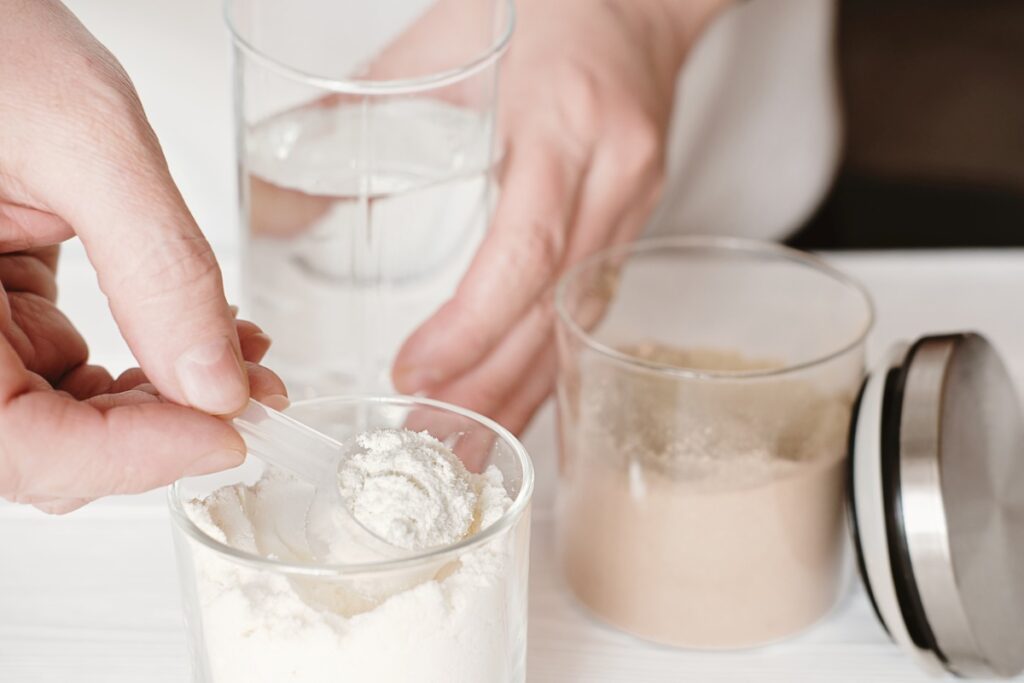
The standard recommendation is 0.8 grams per kilogram of body weight, but that’s the minimum to avoid deficiency. For weight loss while preserving muscle, you want more – around 0.7-1 gram per pound of body weight.
So if you weigh 180 pounds, you’re aiming for roughly 125-180 grams of protein daily. That’s a lot. A chicken breast has about 30 grams. Greek yogurt has 15-20 grams. Eggs have 6 grams each.
Getting there from whole foods alone takes planning. This is where a protein shake can help – not as the foundation of your diet, but as a supplement when needed.
Choosing a Protein Shake
If you’re going to use protein shakes, pick wisely. Look for options with:
- At least 20 grams of protein per serving
- Minimal added sugar (under 5 grams)
- Recognizable ingredients
- Whey, casein, or plant-based protein (pea, hemp, rice blends)
Whey protein is fast-digesting and great post-workout. Casein digests slowly and works well as a nighttime snack. Plant-based proteins are fine if you’re vegan or have dairy issues, though they sometimes have less complete amino acid profiles (blends help with this).
Avoid proprietary blends where you can’t see ingredient amounts, and skip anything with a long list of artificial additives you can’t pronounce.
The Real Answer
Protein shakes aren’t magic for weight loss. They’re a tool, and like any tool, they work when used appropriately.
If you’re struggling to meet your protein goals from whole foods, a quality shake can help. If you need convenience or have appetite challenges, they make sense. But if you’re already eating enough protein and just drinking shakes because you think you should, you’re probably adding unnecessary calories.
Focus first on getting protein from whole food sources – chicken, fish, eggs, Greek yogurt, cottage cheese, legumes, tofu. These provide not just protein but also other nutrients and greater satiety. Use shakes to fill gaps, not as your primary protein source.
Expert Support for Your Weight Loss Goals
Figuring out the right nutrition approach for your body isn’t always straightforward. Between conflicting advice online, individual metabolic differences, and the challenges of changing long-standing habits, it’s easy to feel stuck.
At Healthy Self, we help you cut through the confusion with personalized plans based on your specific needs. Our physicians can assess whether you’re getting adequate protein, identify any metabolic issues affecting your progress, and create a sustainable approach that actually fits your life.
Whether that includes nutrition guidance, physician-supervised treatments like GLP-1 medications, appetite suppressants, or targeted nutrient injections to support your energy and metabolism, we build strategies around what works for your body – not generic one-size-fits-all programs.
With expert guidance for healthy weight reduction, you get real support from people who understand the science and care about your individual progress. Face-to-face consultations, ongoing adjustments, and accountability that actually helps.
Protein shakes might be part of your plan. Or they might not be necessary at all. Either way, you’ll know because someone who understands your metabolism and goals helped you figure it out.
