
Breakfast has a weird reputation. For decades we were told it’s the most important meal of the day, then intermittent fasting came along and suddenly everyone’s skipping it. The truth? It depends on you.
If you do eat breakfast, what you choose matters. A lot.
The right breakfast keeps you full, stabilizes your blood sugar, and sets you up to make better choices throughout the day. The wrong one leaves you ravenous by 10am, reaching for whatever’s available (usually not great options).
Here are nine breakfast foods that actually support weight loss – not because they’re magic, but because they work with your body instead of against it.
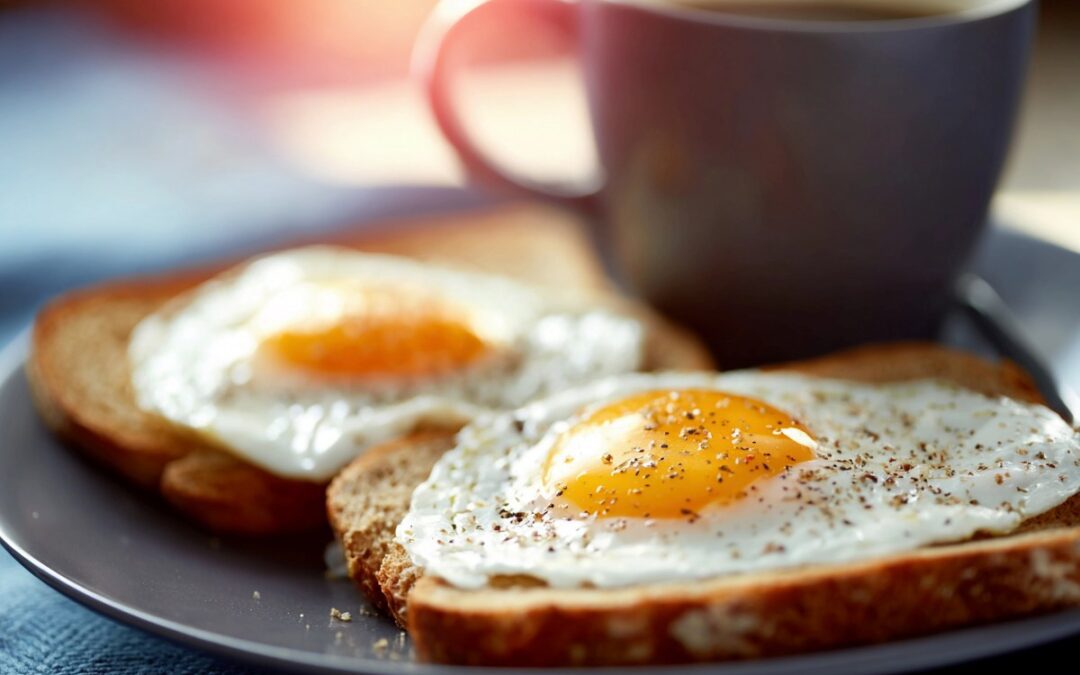
Eggs (However You Like Them)
Eggs are about as close to a perfect breakfast food as you can get.
They’re packed with high-quality protein – about 6 grams per egg – which keeps you satisfied longer than carb-heavy breakfasts. Studies show people who eat eggs for breakfast consume fewer calories throughout the day compared to those who start with bagels or cereal, even when the meals have the same calorie count.
Eggs also contain nutrients that support weight loss, like choline (important for metabolism) and vitamin D. The yolks have gotten unfairly demonized, but they’re where most of the nutrients live. Unless your doctor has specifically told you to limit whole eggs, eat them.
Scrambled, fried, poached, hard-boiled – it doesn’t matter. Just don’t undo the benefits by drowning them in butter and cheese.
Greek Yogurt
Not all yogurt is created equal. Regular yogurt is fine, but Greek yogurt is the better choice for weight loss.
It has roughly double the protein of regular yogurt (15-20 grams per serving), which means it keeps you full longer. The straining process that makes it “Greek” removes some of the lactose and liquid, concentrating the protein.
Go for plain, unsweetened varieties. Flavored Greek yogurt often has as much sugar as ice cream, which kind of defeats the purpose. Add your own fruit, a drizzle of honey, or a handful of nuts if you need sweetness.
The probiotics in yogurt might also support weight loss by improving gut health, though the research on that is still developing. Either way, it’s a solid breakfast option.
Oatmeal (The Real Kind)
Instant oatmeal packets loaded with sugar? Skip those. But actual oats – steel-cut or old-fashioned rolled oats – are worth eating.
Oats are high in fiber, particularly beta-glucan, which slows digestion and helps you feel full. They also help stabilize blood sugar, preventing the spike-and-crash cycle that leads to mid-morning cravings.
A bowl of oatmeal with some protein (nuts, seeds, or a scoop of protein powder) makes for a surprisingly filling breakfast that won’t leave you hungry an hour later.
Cook them in milk instead of water for extra protein. Top with berries instead of brown sugar. Make overnight oats if mornings are chaotic. Just avoid the pre-sweetened stuff.
Berries
Berries are nutrient-dense and relatively low in sugar compared to other fruits, which makes them ideal for weight loss.
A cup of strawberries has about 50 calories and 3 grams of fiber. Blueberries, raspberries, blackberries – they’re all great choices. The fiber slows digestion and the natural sweetness satisfies sugar cravings without spiking your blood sugar the way pastries or juice would.
They’re also loaded with antioxidants, which reduce inflammation and oxidative stress. Chronic inflammation interferes with weight loss, so anything that reduces it helps.
Toss them into yogurt, blend them into a smoothie, or just eat them straight from the container.
Nuts and Nut Butters
Nuts are calorie-dense, sure. But they’re also incredibly satisfying, and research shows people who eat nuts regularly tend to weigh less than those who don’t.
The combination of protein, healthy fats, and fiber keeps you full. A small handful of almonds or a tablespoon of almond butter on whole-grain toast provides lasting energy without the blood sugar roller coaster.
Watch your portions – it’s easy to eat 400 calories of almonds without realizing it – but don’t avoid them entirely because of the calorie count. The satiety factor often means you eat less overall throughout the day.
Peanut butter, almond butter, cashew butter – whatever you prefer. Just check the label and avoid brands with added sugar and hydrogenated oils.
Cottage Cheese

Cottage cheese is having a moment right now, and honestly, it deserves it.
It’s high in protein (about 14 grams per half-cup serving) and relatively low in calories. Like Greek yogurt, it’s filling and versatile. You can eat it sweet with fruit, or savory with tomatoes and pepper.
Cottage cheese is particularly high in casein protein, which digests slowly and helps keep you full for hours. It’s also rich in calcium, which some studies suggest might play a role in fat metabolism, though the evidence there is mixed.
The texture bothers some people. If that’s you, blend it smooth and use it like ricotta or Greek yogurt.
Avocado
Yes, avocados are high in fat. No, that’s not a problem.
The fats in avocado are mostly monounsaturated – the same heart-healthy fats in olive oil. They increase satiety and help your body absorb fat-soluble vitamins from other foods you’re eating.
Half an avocado on whole-grain toast with an egg? That’s a balanced, satisfying breakfast that’ll keep you going for hours. The fiber content (about 7 grams per avocado) also supports digestive health and blood sugar control.
People who eat avocados regularly tend to have lower body weight and smaller waist circumference, according to several studies. Correlation isn’t causation, but it’s a good sign.
Whole-Grain Toast or Wraps
Bread isn’t the enemy. Refined white bread that spikes your blood sugar and leaves you hungry? That’s not ideal. But actual whole grains are a different story.
Look for bread or wraps where whole wheat or whole grain is the first ingredient. They should have at least 3 grams of fiber per serving. These complex carbs digest slowly, providing steady energy without the crash.
Use whole-grain toast as a base for eggs, avocado, nut butter, or cottage cheese. It turns a simple protein into a complete meal that balances macros and keeps you satisfied.
Bagels, croissants, white toast – those are occasional treats, not everyday breakfast foods if you’re trying to lose weight.
Protein Smoothies
Smoothies can be a great breakfast option or a complete sugar bomb disguised as health food. It depends entirely on what you put in them.
A good weight-loss smoothie includes protein (Greek yogurt, protein powder, or silken tofu), healthy fats (nut butter, avocado, or chia seeds), fiber (spinach, berries, oats), and minimal added sugar.
A bad one is basically fruit juice with ice – lots of sugar, no protein, no staying power.
The advantage of smoothies is convenience. You can prep ingredients the night before and blend them in two minutes. It’s portable. And you can sneak in nutrients you might not otherwise eat (hello, spinach).
Just don’t rely on store-bought smoothies. Most are loaded with sugar and surprisingly high in calories.
Build Breakfasts That Work for You
The best breakfast for weight loss is one you’ll actually eat consistently. It needs to fit your schedule, your preferences, and your hunger levels.
If you’re someone who needs structure and support to figure out what actually works for your body, that’s where professional weight-care support in the area can make a real difference.
At Healthy Self, we don’t hand you a generic meal plan and send you on your way. We look at your metabolism, your lifestyle, your challenges. We help you build sustainable eating patterns – including what breakfast looks like for you – that support your weight loss goals without making you miserable.
