
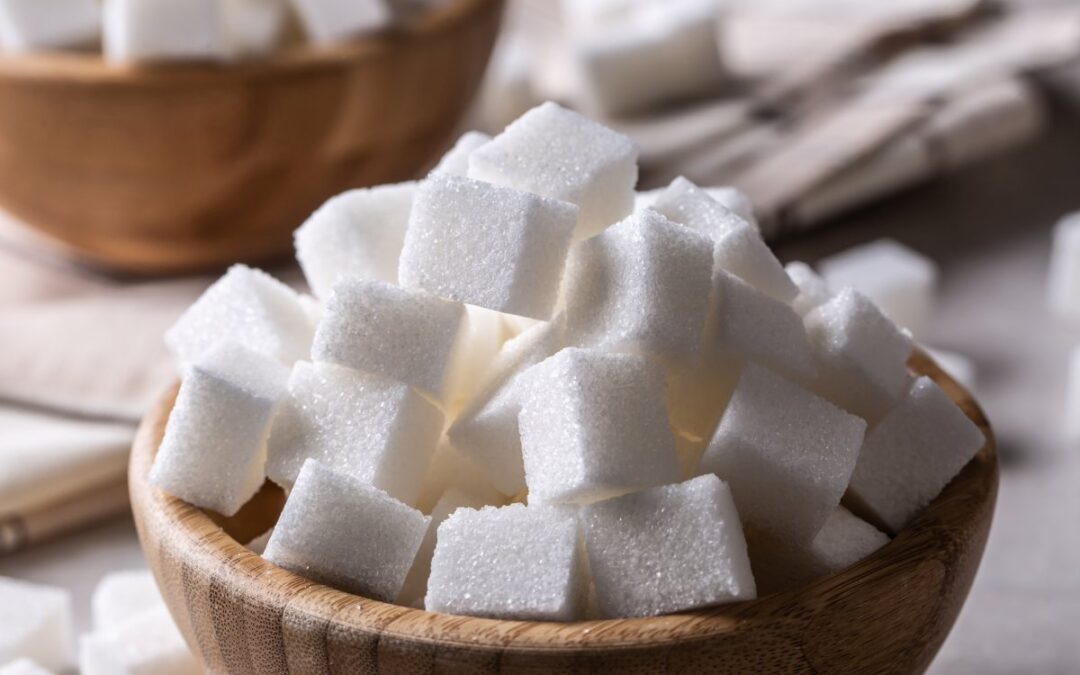
Sugar has become the nutritional villain of our time. It’s blamed for everything from obesity to diabetes to basically every health problem you can think of. Cut out sugar, the wellness world says, and you’ll finally lose weight.
But is sugar actually making you fat, or is the story more complicated than that?
The short answer: sugar itself doesn’t inherently make you fat. Eating too many calories makes you fat. But sugar makes it really, really easy to eat too many calories without realizing it.
Let’s talk about what’s actually happening in your body when you eat sugar, and why it’s connected to weight gain even though the relationship isn’t quite as simple as “sugar equals fat.”
What Happens When You Eat Sugar
When you consume sugar – whether that’s table sugar, honey, or the sugar in fruit – your body breaks it down into glucose, which enters your bloodstream. Your pancreas releases insulin to help shuttle that glucose into your cells for energy.
If you’re eating moderate amounts of sugar and you’re active, your body uses that glucose for fuel. No problem. But when you consume large amounts of sugar, especially regularly, a few things happen that promote fat storage.
First, your insulin levels spike. High insulin tells your body to store energy rather than burn it. When your cells have taken in all the glucose they need and your glycogen stores (your body’s short-term energy reserves in muscles and liver) are full, the excess glucose gets converted to fat and stored in adipose tissue.
This process is called de novo lipogenesis – literally “making new fat.” Your liver converts excess carbohydrates into fatty acids, which are then stored as body fat.
The Real Problem: Sugar Is Everywhere and Adds Up Fast
Here’s where sugar becomes problematic for weight loss: it’s incredibly calorie-dense and doesn’t fill you up.
A can of soda has about 150 calories and 40 grams of sugar. It takes maybe two minutes to drink and does almost nothing for your hunger. You could easily consume 500+ calories from sugary drinks in a day without feeling any more satisfied than if you’d had water.
Compare that to 150 calories of chicken breast with vegetables. That’s actual food that fills you up and provides nutrients. You’re not hungry again in 30 minutes.
Sugar also tends to come packaged with fat in highly palatable foods – cookies, cakes, ice cream, pastries. These foods are engineered to be delicious and easy to overeat. The combination of sugar and fat is particularly effective at triggering reward pathways in your brain, making you want more even when you’re not hungry.
It’s not just desserts either. Sugar is hidden in bread, pasta sauces, salad dressings, yogurt, granola bars, and dozens of other foods you wouldn’t expect. The average American consumes about 17 teaspoons of added sugar daily – way more than the recommended limit of 6 teaspoons for women and 9 for men.
Sugar and Insulin Resistance
Chronic high sugar intake doesn’t just lead to excess calories. It can also contribute to insulin resistance, which makes losing weight significantly harder.
When you’re constantly spiking your blood sugar with high-sugar foods, your cells become less responsive to insulin over time. Your pancreas has to produce more and more insulin to do the same job. High insulin levels promote fat storage and make it difficult for your body to access stored fat for energy.
Insulin resistance is a major risk factor for type 2 diabetes, and it’s closely linked to weight gain – especially around the abdomen. The more insulin-resistant you become, the harder it is to lose weight because your body is stuck in storage mode.
This doesn’t happen overnight from eating birthday cake. It develops from patterns of high sugar consumption over months and years.
Not All Sugars Are Equal
This is important: the sugar in an apple is not the same as the sugar in a candy bar, even though both contain fructose and glucose.
Whole fruit comes with fiber, which slows the absorption of sugar into your bloodstream. You get a gradual rise in blood sugar rather than a spike. Fruit also contains vitamins, minerals, and antioxidants. Plus, it’s pretty hard to overeat whole fruit – you’d get full long before consuming 500 calories worth of apples.
Processed foods with added sugars, on the other hand, typically have no fiber and no nutritional value. Just calories that spike your blood sugar and leave you hungry again quickly.
Your body handles these differently. The fiber in whole foods matters. The context matters. A piece of fruit as part of a balanced diet isn’t the problem. Drinking a 64-ounce soda every day is.
Sugar and Hunger Regulation

Sugar also messes with your hunger hormones in ways that make weight loss difficult. When you eat high-sugar foods, you get a quick energy boost followed by a crash. That crash triggers hunger and cravings, usually for more sugar.
This creates a cycle: eat sugar, spike blood glucose, insulin surges, blood sugar drops, you feel hungry and tired, you eat more sugar to feel better. Repeat.
Breaking this cycle often requires reducing sugar intake enough that your blood sugar stabilizes and your body gets better at using fat for energy instead of constantly running on glucose.
So, Does Sugar Make You Fat?
It’s not that sugar directly turns into body fat the moment you eat it. The issue is that sugar:
- Provides easy calories that don’t satisfy hunger
- Triggers insulin responses that promote fat storage
- Is addictive and encourages overconsumption
- Often comes in foods designed to be overeaten
- Contributes to insulin resistance when consumed excessively
- Disrupts hunger regulation
If you’re eating sugar in moderate amounts as part of a balanced diet and you’re in a calorie deficit, you’ll still lose weight. But most people aren’t doing that. They’re consuming way more sugar than they realize, and it’s sabotaging their efforts.
Cutting back on added sugars is one of the most effective changes you can make for weight loss – not because sugar is uniquely evil, but because removing it often automatically reduces your calorie intake and improves your hunger regulation.
Making Sustainable Changes
You don’t need to eliminate sugar completely. That’s unrealistic and probably unnecessary. But being more intentional about it helps.
Read labels. Sugar hides under dozens of names – high fructose corn syrup, cane juice, maltose, dextrose, and on and on. If something has more than 10 grams of added sugar per serving, think twice.
Focus on whole foods. The closer something is to its natural state, the less added sugar it typically contains. Choose water over soda, whole fruit over juice, plain yogurt over flavored.
Save actual sugary treats for occasions rather than everyday consumption. A slice of cake at a birthday party isn’t going to derail anything. A daily office donut adds up.
Getting the Right Support
If you’ve been struggling with sugar cravings, weight plateaus, or suspected insulin resistance, you don’t have to figure it out alone.
At Healthy Self, we work with you to understand what’s happening metabolically and create a personalized plan that addresses your specific challenges. That might include blood work to check for insulin resistance or other hormonal issues, nutrition guidance, or clinically supported GLP-1 treatment options that help regulate blood sugar and reduce cravings.
GLP-1 medications like semaglutide and tirzepatide have been particularly effective for people dealing with sugar cravings and insulin resistance. They work with your body’s natural hunger hormones to reduce appetite and improve blood sugar control, making it easier to make the dietary changes that support lasting weight loss.
We also offer targeted nutrient support – B12 for energy, glutathione for detoxification, NAD+ for cellular health – to address the metabolic impacts of years of high sugar consumption.
The difference is having physician oversight and personalized care rather than trying to follow generic advice that may or may not work for your body. Sugar might be part of your weight loss challenge, but it’s rarely the only part. We help you see the complete picture and build a plan that actually works.
